Understanding Home Robots: What Are They?
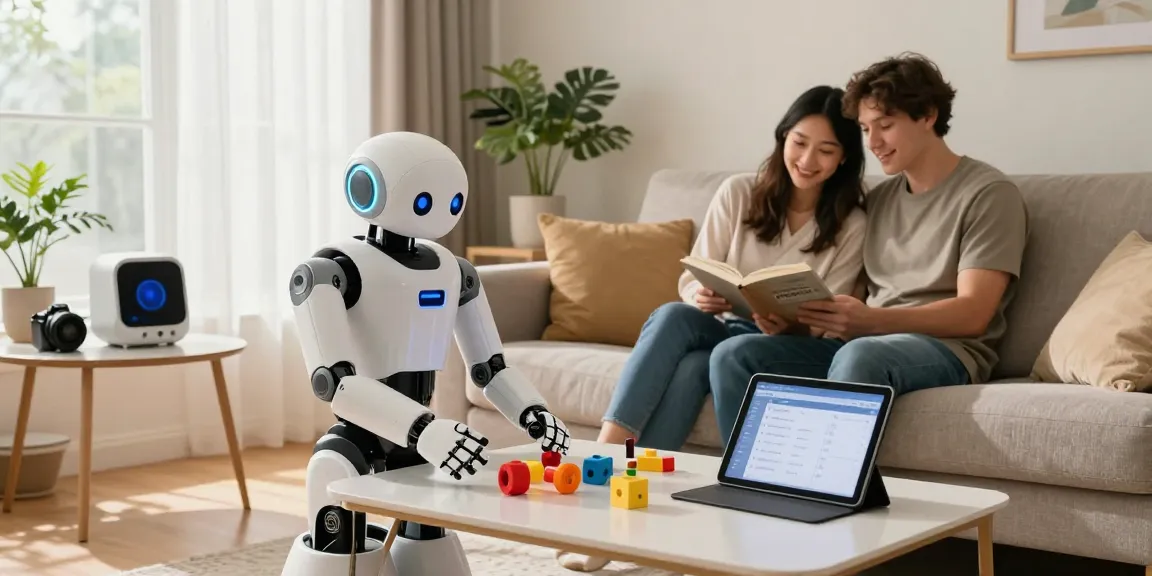
Home robots are rapidly evolving from speculative ideas to indispensable tools in our daily lives. These intelligent machines are designed to assist with various household tasks, making them increasingly valuable in modern homes. As technology advances, the capabilities of home robots continue to expand, offering convenience, efficiency, and even companionship. When exploring options, home robot provide comprehensive insights into the latest innovations and models available in the market.
Defining Home Robots and Their Functions
At their core, home robots are automated machines or devices programmed to carry out specific tasks in a household environment. These robots leverage AI and IoT technologies to perform functions ranging from simple chores, such as vacuuming or lawn mowing, to more complex activities, like managing home security or assisting with cooking. Their multifunctional abilities make them an attractive solution for households looking to enhance their daily routines.
How Home Robots Enhance Daily Living
Home robots significantly contribute to improving daily living standards by providing time-saving solutions. For instance, robots like vacuum cleaners can autonomously clean floors while users engage in other activities, effectively increasing productivity. Additionally, they can help reduce physical strain, especially for older adults or those with disabilities, by handling tough or repetitive tasks. The emotional and social benefits, such as companionship from social robots, also play a vital role in enhancing the quality of life for many individuals.
Common Home Robot Applications Today
- Vacuum Robots: Devices like Roomba and Roborock automate floor cleaning.
- Lawn Care Robots: Robots like Husqvarna Automower help maintain lawns with little human intervention.
- Security Robots: Home surveillance drones equipped with cameras offer peace of mind for homeowners.
- Companion Robots: Robots like Jibo or social bots engage users interactively and provide companionship.
- Cooking Robots: Automated kitchen devices that can assist in meal preparation and cooking.
Top Home Robots in 2026: Features and Benefits
As the home robotics industry continues to innovate, several models stand out in 2026, each equipped with unique features designed to meet the needs of modern families. With advancements in AI, machine learning, and connectivity, these robots not only perform their designated tasks but also learn and adapt to user preferences over time.
Comparing Leading Models: NEO, Astro, and More
Among the leading models in the home robot market, NEO and Amazon’s Astro are noteworthy. NEO boasts advanced AI capabilities, performing home chores while learning from user feedback, ensuring more efficient performance over time. On the other hand, Astro integrates seamlessly with Amazon’s ecosystem, enabling voice commands and smart home control features.
Smart Features to Look For in Home Robots
When selecting a home robot, consider features such as voice command integration, app connectivity, scheduling capabilities, and AI learning algorithms. These features enhance usability, allowing for a more intuitive interaction between the user and the robot, ultimately resulting in a better experience.
Cost Analysis: Are They Worth the Investment?
The cost of home robots can vary significantly, often ranging from a few hundred to several thousand dollars, depending on the complexity and functionality. While the initial investment may seem high, many users find that the time saved and the improvements to quality of life justify the expense. Over time, the advantages of using a home robot can lead to long-term savings and convenience.
Challenges and Concerns with Home Robots
Despite the impressive advancements in home robotics, several challenges persist that potential buyers should consider before making a purchase. Understanding these issues can help users make informed decisions about integrating robots into their homes.
Data Privacy: What You Need to Know
One of the primary concerns associated with home robots is data privacy. Many robots collect personal information to function efficiently, which raises questions about how this data is stored, used, and shared. It’s crucial for users to review privacy policies and choose robots that prioritize their data security.
Technical Limitations and Reliability Issues
Home robots can face technical limitations, such as difficulties navigating complex spaces or performing tasks in unpredictable environments. Users should be aware that while many robots can perform basic functions independently, they may require occasional human intervention to address issues or complete certain tasks.
Addressing Common Misconceptions about Home Robots
Many people have misconceptions about home robots, believing they are only capable of performing simple tasks or are too expensive for the average consumer. However, as technology advances, robots are becoming more accessible and versatile, with models available to suit various budgets and needs.
Future Trends in Home Robotics
As we look ahead to the next few years, several trends in home robotics are expected to shape the market. These trends will influence how robots integrate into our homes and our daily routines.
Predicted Advances for Home Robots by 2026
By 2026, we can expect significant advances in AI capabilities, allowing home robots to become more intuitive and responsive. Enhanced machine learning algorithms will enable these robots to learn from their environments and user interactions more effectively, increasing their functionality and reliability.
Integration with Smart Home Systems
The integration of home robots with existing smart home systems will become increasingly seamless. As more homes adopt smart technology, robots will be able to control devices, manage routines, and operate automatically based on user preferences or schedules.
Potential Impact on Household Dynamics
The adoption of home robots will likely have a profound impact on household dynamics, influencing everything from chore distribution among family members to elderly care. As robots take over mundane tasks, families can spend more quality time together or focus on more meaningful activities.
Getting Started with Home Robots: A Practical Guide
For those interested in embracing the convenience and efficiency that home robots can bring, a structured approach can help in choosing and integrating the right device into your home.
Steps to Choose the Right Home Robot for Your Needs
Begin by identifying your specific needs and the tasks you wish to automate. Research available models and their capabilities, focusing on features that align with your household requirements. User reviews and expert ratings can provide valuable insights into performance and reliability.
Setting Up Your Home Robot Effectively
Once you’ve chosen a home robot, follow the manufacturer’s setup instructions carefully. Ensuring the robot has proper access to its operational environment, including charging stations and clear pathways, can enhance its effectiveness. Additionally, configuring any smart home integrations at this stage will streamline future operations.
Maximizing Your Home Robot’s Efficiency
To get the most out of your home robot, regularly update its software and adjust settings based on your changing needs. Providing feedback or reinforcing preferred behaviors can help the robot learn and improve over time, optimizing its performance in your household.